Key takeaways
- Vertical markets become more valuable when they integrate fintech
- Customer behaviour continues to evolve favoring vertical-specific solutions
- The future of payments is tightly linked to brands and personal experience
Last week’s recap
In our previous blog, we explored how software business models get smarter every decade and how SaaS usage has been democratised at a lightning speed, driving startup growth.
While bottom-up SaaS has been arguably the most successful software distribution model to date, we’re seeing a new trend accelerating.
You may already be familiar with what Andreesen Horowitz calls vertical SaaS + fintech companies. But perhaps you haven’t realized just how pervasive this model is. Let’s get past the jargon and break it down: We’ll begin with the vertical side of the equation.
Vertical SaaS**
SaaS has been around for two decades now, and most of the ubiquitous companies have executed a horizontal distribution approach. Think Salesforce, Hubspot. The SaaS platform offers the same product, distributed across industries and verticals for maximum adoption and penetration.
However, two tradeoffs emerge for this broad market reach. The horizontal approach leaves little room for product and experience personalisation: you need to adapt to all. And, the go-to-market motion (marketing, sales…) speaks to the many, vs. the few. This means bigger budgets, and lower conversion rates.
With the vertical SaaS approach, you gain the advantage of focus. Yes, your target market is smaller, but data supports that your sales and marketing efforts enjoy better conversion rates as you target more, and speak your customers' language. You’re focused on a specific vertical and on a group of customers who share similar interests.

From a product perspective, rather than attempting to satisfy the needs of a dozen industries, you can focus on just one. This means you can dig into the product and adapt it to their specific needs, which in turn drives engagement, loyalty and ultimately revenue growth.
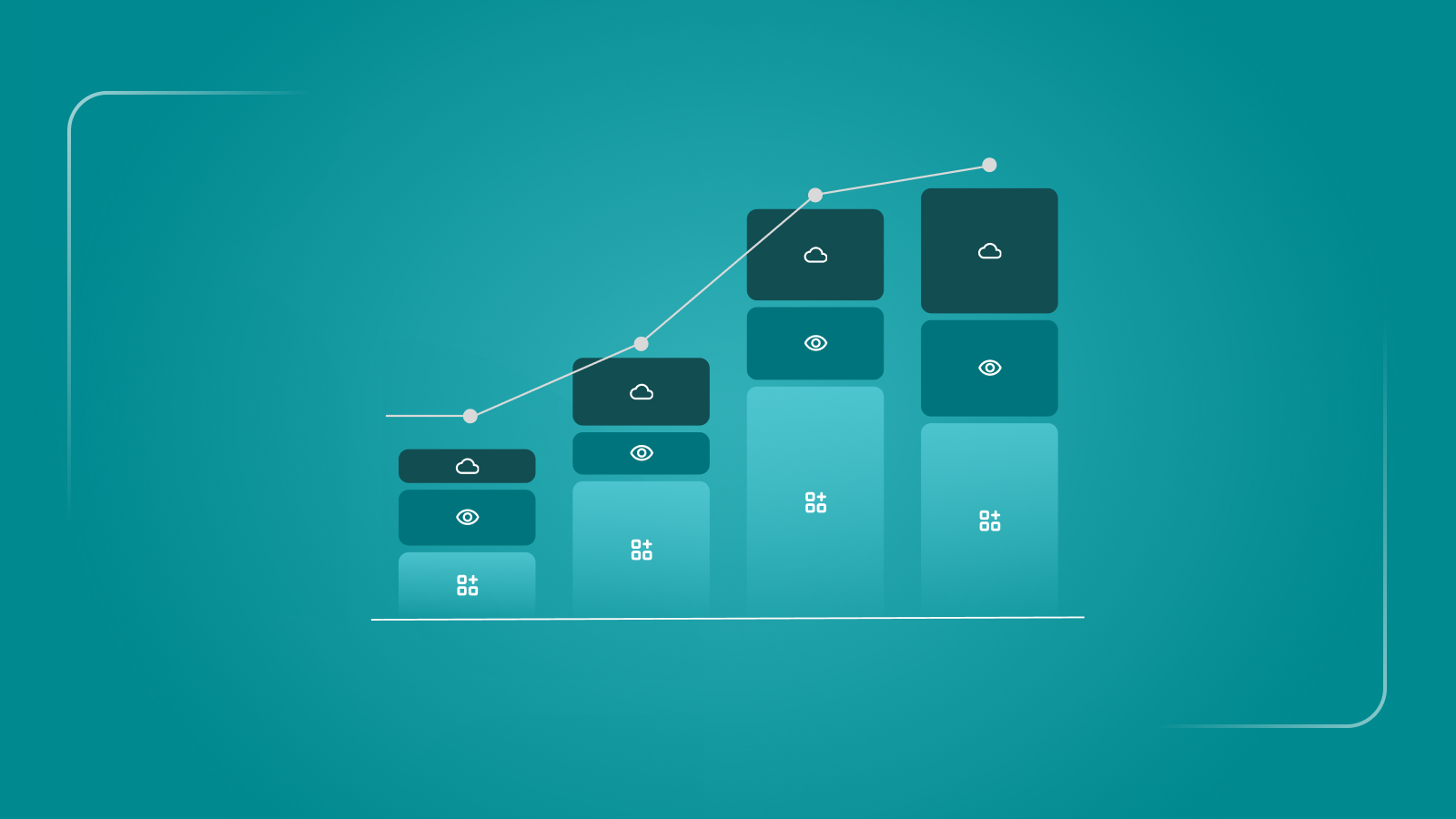
Recent data proves out that SaaS companies that employ a vertically focussed go-to-market motion drive increased revenues and over the past decade we;ve seen the market-cap of public vertical SaaS companies grow 10x. Tradeoffs between the two approaches aside, we can probably agree that a vertical approach ‘feels’ better from both sides of the equation: The vendor can focus on serving specific needs while the customers can engage on their terms.
The vertical approach lets SaaS companies design a smarter go-to-market motion and refine their product to suit the specific needs of their customers.

Now that we figured out the vertical side of the equation, let’s jump to fintech.
Fintech: why now?**
The promise of fintech lies in not only removing the friction that has existed for decades in the banking and financial world, but exploring new engagement models to keep customers delighted and raising the bar of expectations.
If this feels more like a consumer proposition… well it is. The line between B2B and B2C has blurred over the years and the explosion of fintech within vertical experiences is just the most recent manifestation of this trend. B2B customers demand ever more integrated and engaging experiences, just as they are accustomed to in their personal lives. And fintech companies deliver on this promise by de-constructing what was for years the opaque and closely-guarded experience that allowed financial transactions to happen.
These companies have broken down barriers for businesses to pay, get paid, secure financing, get a bridge loan...all without leaving their vertical of choice. Whether you’re an auto-repair shop on Shopmonkey (process management vertical SaaS designed for auto repair shops), or a cold-storage warehouse using RoadSync (commerce and payments platform for logistics industry), or an insurer using Guidewire (Software specifically designed for the insurance industry), fintech-enabled vertical SaaS platforms are driving deeper engagement with their users, and monetizing it along the way.
This is both about the evolution in technology as well as change in consumer behaviours. Businesses want to get their jobs done with the brands they trust and interact with daily. Just like consumers do. We increasingly trust these brands that we interact with on a daily basis more than the traditional institutions of yesterday. Think Apple Pay or Shopify Wallet. Extending payments to these brand offerings feels natural nowadays and fintech is powering this shift in verticals all across the B2B spectrum.
SaaS verticals are no exception. Recent research by Andreesen Horowitz estimates that, by adding a fintech layer to their product, SaaS businesses can increase revenue from 2x to 5x.
Quick wrap-up**
Embedding fintech in customer experiences will soon become table stakes. Customers are accustomed to great user experiences that cater to what they need, when they need it...and they increasingly will expect that their fintech needs will be integrated wherever they are. This will certainly play out differently across verticals over the next few years - but it’s safe to say we are witnessing a significant B2B transformation fueled by innovation across the fintech landscape, and in 2021 we are just getting started.
Suggestions and stay in the know!
This post was inspired by questions from readers like you. We love receiving new and interesting questions that help us think about our data in new ways. If you found this post interesting and would like to keep yourself updated on big trends in the SaaS industry, subscribe to our newsletter by entering your email below.