Practical Insights to Manage
Software Spend

Join our newsletter where finance leaders learn how to simplify SaaS, AI, and software management with expert tips, inspiring stories, and a touch of wit.

Sign up

Latest

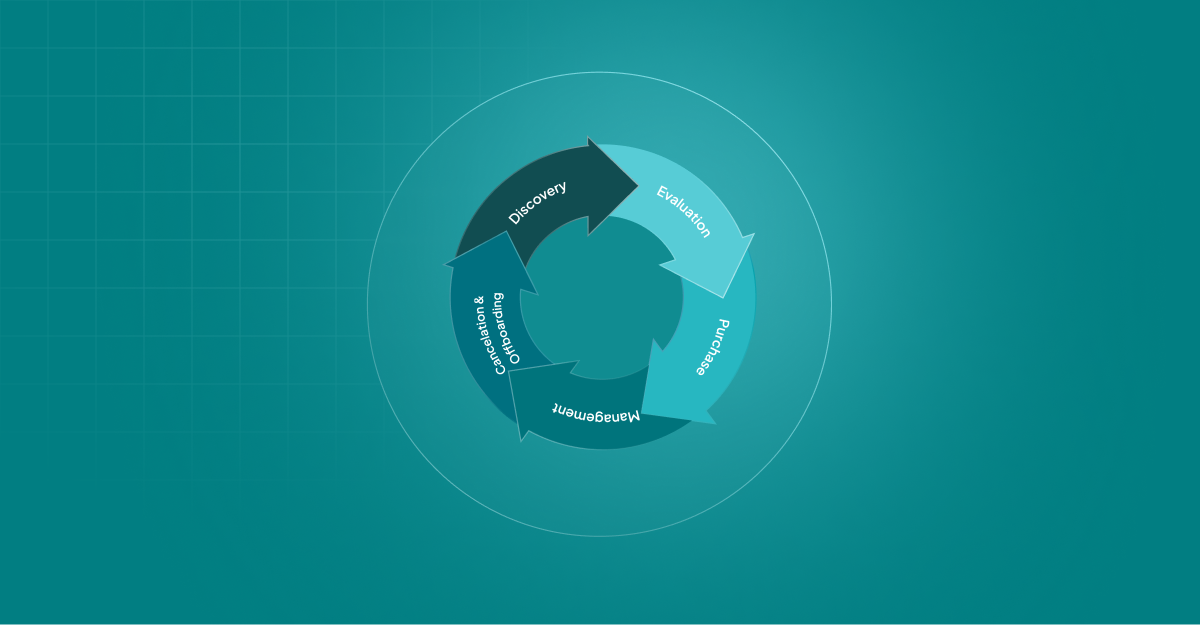
SaaS Management: Why You Need It, When to Implement It, and the Disasters That Happen Without It

Learn why SaaS management matters, the triggers that force adoption, and real disaster stories—plus a practical 30/60/90-day rollout plan.
Read more

Cledara Brings Apple Pay to Scaling Tech Companies

Instead of paying for a second expensive spend platform, tech companies can now manage SaaS, travel and business spend in Cledara—with Apple Pay built in for every Cledara Spend card.
Read more

Popular Articles

SaaS Management: Why You Need It, When to Implement It, and the Disasters That Happen Without It

Learn why SaaS management matters, the triggers that force adoption, and real disaster stories—plus a practical 30/60/90-day rollout plan.
Read more

Cledara Brings Apple Pay to Scaling Tech Companies

Instead of paying for a second expensive spend platform, tech companies can now manage SaaS, travel and business spend in Cledara—with Apple Pay built in for every Cledara Spend card.
Read more

How to Track AI API Costs in n8n Workflows: A Comprehensive Guide

How finance and n8n power users track OpenAI costs, instrument workflows, set budgets, and cap spend with Cledara—so AI automation scales without surprise bills.
Read more

How to Evaluate SaaS Management Platforms: 20 Must-Ask Demo Questions That Save You From Costly Mistakes

Don’t get stuck with an expensive spreadsheet. Ask these 20 demo questions to uncover shadow IT, cut SaaS waste by 20–30%, and prove ROI in weeks, not months.
Read more

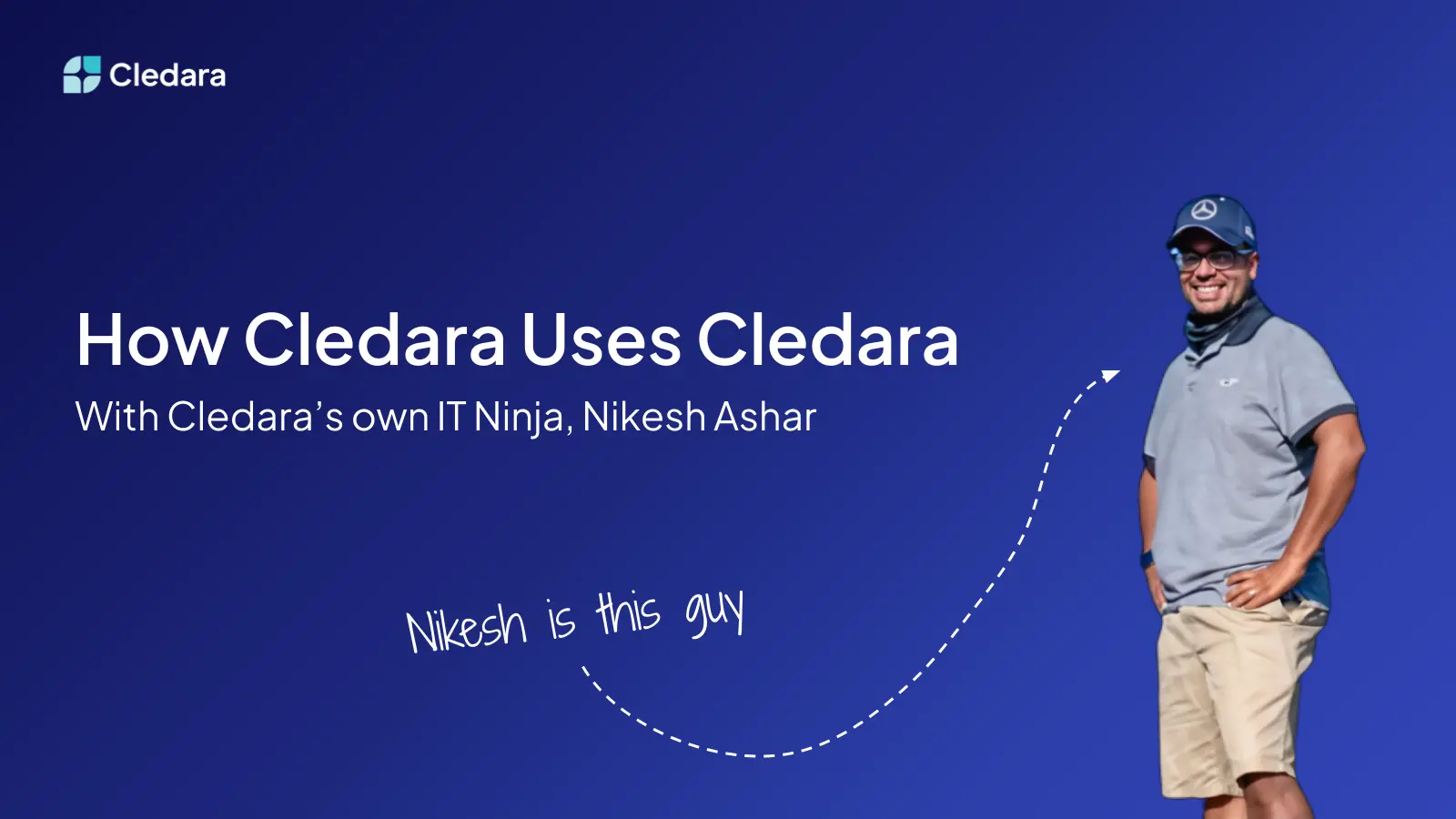
How Cledara Uses Cledara: Key Lessons for SaaS Operations Excellence

Discover how Cledara uses its own platform, featuring insights from Nikesh, for SaaS operations excellence.
Read more

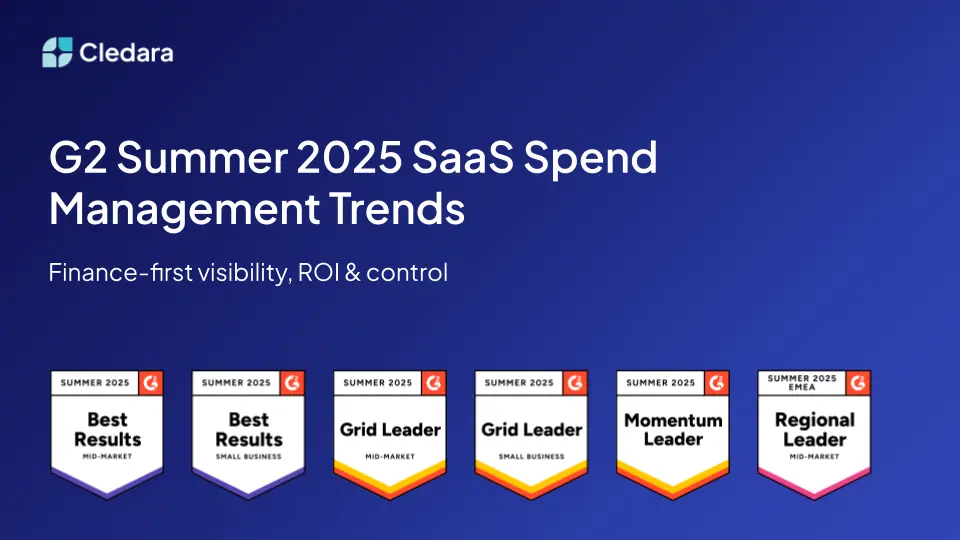
Trends from G2’s Summer 2025 SaaS Spend Management Grid

Key insights from G2 Summer 2025 reveal Cledara’s finance-first edge in visibility, ROI and unified control over soaring SaaS costs
Read more

The effects of funding on software spend

We were curious what really happens to software spend after a company raises funding, so we dug into the data to find out.
Read more

The 12 Best FP&A Tools for 2025

Interested in learning how to enhance your FP&A strategy with the right software tools? This guide is here to help.
Read more

How to Create Budget Reports in 5 Steps

Budget reporting is the comparison, analysis, and documentation of the current company's financial performance against the projected budget.
Read more

Proving SaaS Value: How to Write a Software Business Case in 3 Steps

Your stakeholders won't invest in a new software unless you can demonstrate ROI. Here's how to build an effective business case for software in 3 steps.
Read more

The 2025 Software Spend Report

Find out how much tech companies are spending on software, trends, spend by size, region, and more with insights from 600+ businesses.
Read more

Report: AI in 2025 - The Data Behind the Hype

This report aims cuts through the noise and provide a clear picture of AI's current state in the business world. We explore adoption rates, spending patterns, and the value businesses are (or aren't) seeing from their investments. Buckle up – the data might surprise you.
Read more

The Top 10 SaaS Accounting Tools of 2024 (so Far)

Navigating the crowded landscape of SaaS accounting tools can be overwhelming, but this guide to the top 10 options of 2024 will help you find the perfect fit for your business.
Read more

10 CFO Performance Metrics: What Makes a Great Finance lead?

These 10 performance metrics indicate a great CFO. Fulfil these criteria, and you’re on track to lead your business to financial success. 
Read more

Software Tail Spend: Why It Matters and How to Manage It

Uncover the hidden impact of tail spend on your company's software purchases and learn how to effectively manage it with our free, downloadable cheat sheet.
Read more

What is SaaS Operations?

SaaS Operations (SaaSOps) is a new field that's quickly becoming essential for companies of all sizes.
Read more

Finance

How to Roll Out AI Tools to Your Team (Without the Chaos)

Rolling out AI tools across your organisation doesn't have to mean shadow IT, surprise bills, or security nightmares. This guide shows you how to enable AI adoption at the speed your business needs, with the governance your IT team requires.
Read more

What Sales Teams Actually Spend on SaaS: The Data Behind Every Tool

Sales teams represent 5.8% of tool adoption but 10.9% of spend. Real data on what sales teams buy and what it costs.
Read more

Shadow AI: The Finance Leader's Guide to Managing Unsanctioned AI Spend

Shadow AI is one of the fastest-growing categories of unmanaged software spend. This guide breaks down why shadow AI is primarily a finance problem (not just a security concern) and provides a practical 4-step framework for discovering, quantifying, governing, and optimising AI spend.
Read more

Monday.com vs Asana: The Project Management Spend Data (2026)

Monday.com is holding steady at rank #51 while Asana has dropped to #93. Learn what this reveals about platform preference, use cases, and what it means for your choice of project management tool.
Read more

SaaS Renewal Benchmarks 2026: When to Negotiate, Switch, or Cancel

SaaS vendors are raising prices 8-12% annually, with aggressive vendors hitting 15-25%. This guide breaks down renewal decision-making by timing, negotiation leverage, switching costs, and category benchmarks.
Read more

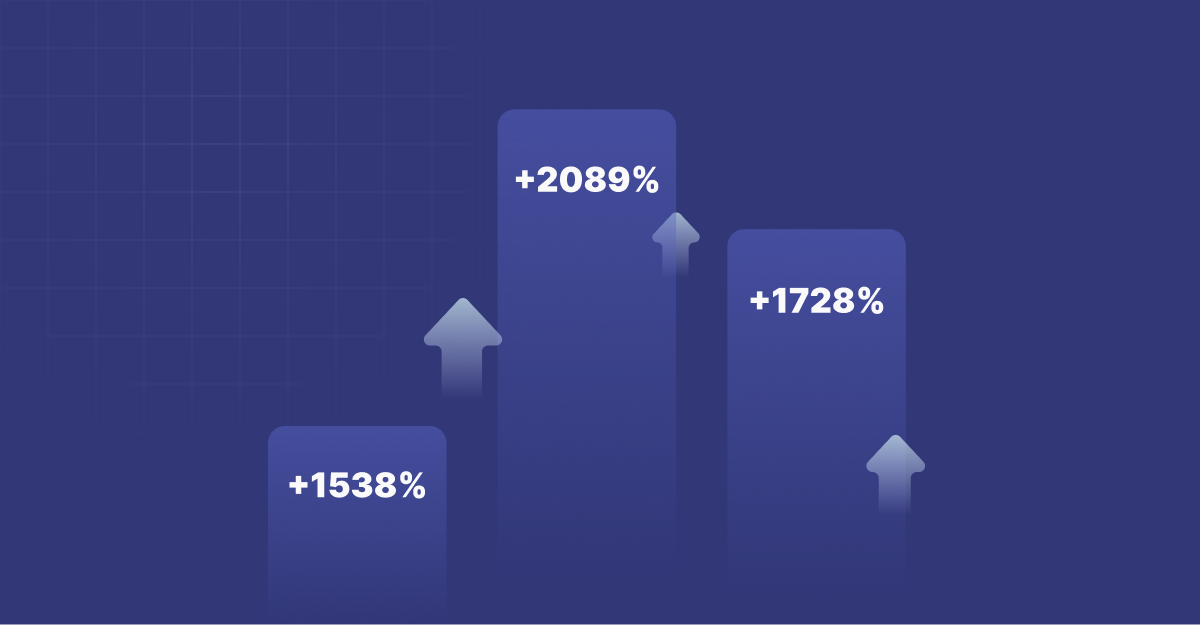
The 15 Fastest-Growing SaaS Tools Right Now

Lovable grew 2,089%. Claude grew 1,728%. Here are the 15 fastest-growing SaaS tools, ranked by real transaction growth.
Read more
Illustration for AI Spend Benchmarks: How Much Are Companies Spending on AI in 2026?

AI Spend Benchmarks: How Much Are Companies Spending on AI in 2026?

How much should your company be spending on AI tools? This data-driven analysis combines Cledara platform data with industry research from Gartner, IDC, and Zylo to deliver practical AI spend benchmarks for mid-market companies. Key findings: 79% of companies on the Cledara platform pay for at least one AI tool, with the average adopter spending $15,300 per year across 3.7 subscriptions. General-purpose AI (OpenAI, Claude) accounts for 72% of AI budgets, while AI coding tools like Cursor represent the fastest-growing category at 18%. AI now represents 5.6% of total SaaS spend, growing at over 100% year-over-year compared to 19% for overall SaaS. The post covers benchmarks by company size, category breakdowns, warning signs of overspending, and how to bring AI costs under control.
Read more
Illustration for AI Security Risks in the SaaS Stack: What Finance and IT Need to Know

AI Security Risks in the SaaS Stack: What Finance and IT Need to Know

AI tools now process a company's most sensitive data, from source code to financial models, yet most organisations lack the governance to manage the security risks that come with rapid AI adoption. Nearly 79% of companies on the Cledara platform pay for AI tools, with the average running 3.2 distinct AI subscriptions. IBM reports that 13% of organisations have experienced AI-related breaches, with 97% lacking proper access controls. This guide breaks down the six core AI security risks (data leakage, training data exposure, shadow AI, integration vulnerabilities, supply chain risk, and compliance violations), provides a vendor evaluation checklist and risk classification matrix, and walks through a practical five-step AI security audit. It also covers how Cledara gives IT and Finance teams shared visibility into AI tool usage, compliance certifications, and the ability to shut down compromised tools instantly via virtual card controls.
Read more
Illustration for The Mid-Market AI Stack: What 30 to 500 Person Companies Actually Use in 2026

The Mid-Market AI Stack: What 30 to 500 Person Companies Actually Use in 2026

What does a normal AI tool stack look like for a company with 30 to 500 employees? Based on Cledara platform data and industry benchmarks, roughly 80% of mid-market companies now pay for at least one AI tool, with an average of 4.1 AI subscriptions per company. AI accounts for approximately 6% of total SaaS spend, but that figure is growing faster than any other software category (108% year over year). This post breaks down the typical AI stack by company size and department, reveals where mid-market companies overspend (duplicate tools, premium tiers for light users, shadow AI, and unused API credits), and provides a four-step framework for right-sizing your AI stack. Whether you are a Head of IT benchmarking your setup or a Finance Director trying to understand if your AI spend is normal, this data gives you the peer comparison you need.
Read more
Illustration for Best AI Tools for Business in 2026: The Complete Guide

Best AI Tools for Business in 2026: The Complete Guide

This guide evaluates over 30 AI tools for business across six categories, with real pricing for companies between 30 and 500 employees. Based on Cledara platform data showing that the average company now uses 4.4 AI tools (with some running up to 14), we cover general-purpose assistants like ChatGPT and Claude, coding tools like GitHub Copilot and Cursor, content and marketing tools, analytics platforms, and productivity apps. Each tool includes current 2026 pricing, the plans that matter for mid-market companies, and practical recommendations.
Read more
Illustration for AI Compliance for Finance Teams: Data Privacy, Security & Governance

AI Compliance for Finance Teams: Data Privacy, Security & Governance

AI compliance has moved from IT's backlog to finance's front page. With the EU AI Act enforcing high-risk AI obligations from August 2026, GDPR already applying to every AI tool processing personal data, and US states like Colorado, Texas, and California enacting their own AI laws, finance teams need a structured compliance framework now. This guide breaks down the five AI compliance risks that matter most to mid-market companies (30 to 500 employees): data leakage from employees pasting sensitive information into AI tools, shadow AI operating outside governance, vendor compliance gaps, data residency concerns, and missing audit trails. It then provides a practical five-step framework for building AI compliance without a dedicated GRC team, covering AI tool discovery, risk classification, vendor certification verification, approval workflows, and ongoing monitoring. The post includes a detailed AI compliance checklist covering pre-purchase due diligence, ongoing monitoring requirements, and annual audit preparation, designed to be useful in real auditor conversations.
Read more
Illustration for ChatGPT for Business: Plans, Pricing & How to Manage It

ChatGPT for Business: Plans, Pricing & How to Manage It

OpenAI offers six ChatGPT tiers in 2026, from Free to Enterprise, with the Business plan (formerly Team) at $25 per user per month being the sweet spot for most growing companies. But the sticker price rarely tells the full story. Duplicate personal subscriptions, uncontrolled Pro upgrades at $200 per month, and invisible API costs can push your actual ChatGPT spend far above budget. This guide breaks down every plan with exact pricing, compares Business vs Enterprise for companies with 30 to 500 employees, and provides a practical playbook for consolidating subscriptions, setting purchasing policies, and right-sizing licences. It also covers how Cledara's AI Dashboard, virtual cards, Engage browser extension, and Benchmarks give finance and IT teams full visibility and control over ChatGPT and all AI tool spend.
Read more
Illustration for The CFO's Guide to AI Investment: Measuring ROI on AI Tools

The CFO's Guide to AI Investment: Measuring ROI on AI Tools

Only 29% of executives can confidently measure their AI tool ROI, yet AI spending continues to accelerate across companies of every size. This guide gives finance leaders at 30 to 500 employee companies a practical four-step framework for measuring AI investment returns. Learn how to categorise AI tools by business function, define measurable outcomes for coding tools, content tools, analytics platforms, and general-purpose assistants, calculate true total cost of ownership beyond licence fees, and build the per-tool scorecard and board reporting your investors expect. Includes real pricing benchmarks, ROI calculation examples by tool category, red flags that signal wasted spend, and a quarterly review cadence for ongoing AI portfolio management.
Read more
Illustration for AI Cost Allocation: How to Budget for Usage-Based AI Tools

AI Cost Allocation: How to Budget for Usage-Based AI Tools

AI tools now account for a significant and growing share of software budgets, but their variable, usage-based pricing breaks the traditional SaaS budgeting playbook. This guide gives finance directors and FP&A leads a practical framework for allocating AI costs across departments. You will learn how to categorise AI spend into productivity, developer, and embedded tools; set departmental budget envelopes with variance buffers; implement chargeback models that match each pricing type (per-seat, per-token, hybrid); and forecast AI spend using historical data and scenario planning. Based on Cledara platform data showing that over 73% of companies now use AI tools with an average of 3.1 AI vendors each, the article includes real pricing examples, allocation formulas, and a walkthrough of how Cledara automates the entire process through virtual cards, real-time AI dashboards, and accounting integrations.
Read more
Illustration for AI Procurement Policy Template: How to Govern AI Tool Purchases

AI Procurement Policy Template: How to Govern AI Tool Purchases

AI tools are entering every company faster than governance can keep up. With 68% of employees using unauthorised AI tools at work and shadow AI costing companies an average of $412,000 per year, a clear AI procurement policy is no longer optional. This guide provides a complete, seven-section AI procurement policy template designed for companies with 30 to 500 employees. It covers approved vendor lists, data classification tiers, cost-tiered approval workflows, usage-based spending caps, and quarterly review processes. The template includes actual policy language you can copy and adapt in an afternoon, plus practical advice on rolling out the policy without stifling the AI adoption your teams need. You will also learn how to automate enforcement using virtual cards, compliance questionnaires, and approval workflows so the policy works even when people are busy.
Read more
Illustration for AI Tool Sprawl: Why Your Company Has More AI Subscriptions Than You Think

AI Tool Sprawl: Why Your Company Has More AI Subscriptions Than You Think

AI tool sprawl is the fastest-growing category of unmanaged software spend. Based on Cledara platform data, 85% of companies now have dedicated AI subscriptions, with the average business paying for 4.5 AI tools. AI subscriptions grew 84% year over year, and nearly one in three new software purchases is now an AI tool. But the visible subscriptions are only part of the picture: AI spend also hides inside price increases from existing vendors like Notion, Canva, and Salesforce, plus variable API costs buried in cloud budgets. This post maps the three layers of hidden AI spend, quantifies the costs beyond money (redundancy, data risk, integration chaos), and provides a practical framework for getting AI sprawl under control without suppressing the adoption that drives competitive advantage.
Read more
Illustration for How to Track and Control AI Spend Across Your Company

How to Track and Control AI Spend Across Your Company

AI tools now account for over $14,000 in average annual spend per company, spread across subscriptions, API usage, and embedded features that most finance teams do not track separately. This guide walks through a four-step system for AI spend management: building a complete inventory across all three spending categories, centralising payments through dedicated virtual cards, setting layered budgets with real-time anomaly alerts, and consolidating fragmented subscriptions into enterprise deals. With real pricing data from ChatGPT, Cursor, OpenAI API, and others, plus Cledara platform data showing 78% of companies now pay for dedicated AI tools, this is a practical playbook for any finance or IT lead ready to get AI costs under control.
Read more
Illustration for The Engineering Team's SaaS Stack: Managing Developer Tools at Scale

The Engineering Team's SaaS Stack: Managing Developer Tools at Scale

Engineering teams run the most complex SaaS stack in most companies, accounting for roughly 23% of all software vendors and some of the highest per-tool spend. This guide maps the typical engineering tool stack by function (source control, CI/CD, infrastructure, monitoring, developer productivity, and AI coding assistants), quantifies the scale of each category using Cledara platform data, and identifies the most common problems: redundancy across teams, zombie subscriptions, shadow IT and shadow AI, and governance processes that create more friction than control. It then provides a six-step framework for engineering tool governance that balances finance visibility with developer autonomy, including tiered approval thresholds, preferred tool stacks, usage-based reviews, and dedicated AI tool management.
Read more
Illustration for SaaS Management for IT Teams: A CIO/IT Manager's Playbook

SaaS Management for IT Teams: A CIO/IT Manager's Playbook

IT leaders at growing companies face a unique SaaS challenge: balancing security, compliance, and access control across dozens (or hundreds) of cloud applications, many of which were adopted without IT's knowledge. This guide breaks down the four core IT use cases for SaaS management: shadow IT discovery, security and SSO enforcement, user lifecycle automation, and vendor oversight. You will learn where SaaS management fits alongside your existing ITSM tools, why 65% of SaaS applications in use are unauthorised, and how platforms like Cledara give IT teams real-time visibility and control without slowing down the business. Whether you are a CIO setting SaaS strategy or an IT manager drowning in access requests, this playbook provides the operational framework to bring your software stack under control.
Read more
Illustration for What Is SaaS Management? The Definitive Guide (2026)

What Is SaaS Management? The Definitive Guide (2026)

SaaS management is the practice of discovering, tracking, securing, and optimising every software subscription across your organisation. This definitive guide explains why SaaS management has become critical in 2026, with the average company managing 38 or more software vendors and wasting 25 to 30% of its budget on unused licences. It introduces the 5 Pillars of SaaS Management (discovery, spend management, compliance, procurement, and governance), clarifies how SaaS management differs from ITAM, FinOps, and IT operations, and provides a practical roadmap for getting started. Drawing on Cledara platform data and industry research, the guide covers everything from shadow IT detection and renewal negotiation to accounting automation and AI spend tracking.
Read more
Illustration for SaaS Compliance: How to Stay Audit-Ready with Your Software Stack

SaaS Compliance: How to Stay Audit-Ready with Your Software Stack

SaaS compliance is one of the fastest-growing challenges for scaling companies preparing for SOC 2, ISO 27001, or GDPR audits. With 65% of SaaS applications in use going unsanctioned by IT, and the average company managing over 57 known subscriptions (plus dozens more in the shadows), the compliance risk from your software stack is significant. This guide breaks down how each major compliance framework applies specifically to SaaS, from SOC 2 vendor management requirements to GDPR Article 28 Data Processing Agreements and ISO 27001 Annex A supplier controls. You will find a practical, framework-agnostic compliance checklist covering vendor risk assessment, access control and SSO enforcement, data residency documentation, and ongoing review cadences.
Read more
Illustration for SaaS Management for Finance Teams: A CFO's Complete Guide

SaaS Management for Finance Teams: A CFO's Complete Guide

SaaS management for finance teams goes beyond IT visibility. This guide covers the four core finance use cases, from budget forecasting and cost allocation to renewal management and audit readiness, with practical guidance on what CFOs should look for in a platform. Based on Cledara platform data showing companies manage an average of 35.8 software vendors, and industry research indicating 51% of SaaS licences go unused, the post makes the case that finance teams need purpose-built tools, not repurposed IT solutions. Includes specific evaluation criteria for accounting integrations, spend controls, benchmark pricing, and approval workflows, plus a detailed breakdown of how Cledara addresses each finance use case.
Read more

How to Run a SaaS Audit in 5 Steps

A SaaS audit is the fastest way to find wasted software spend, close compliance gaps, and eliminate redundant tools. This step-by-step guide walks finance leads and IT managers through the complete process.
Read more
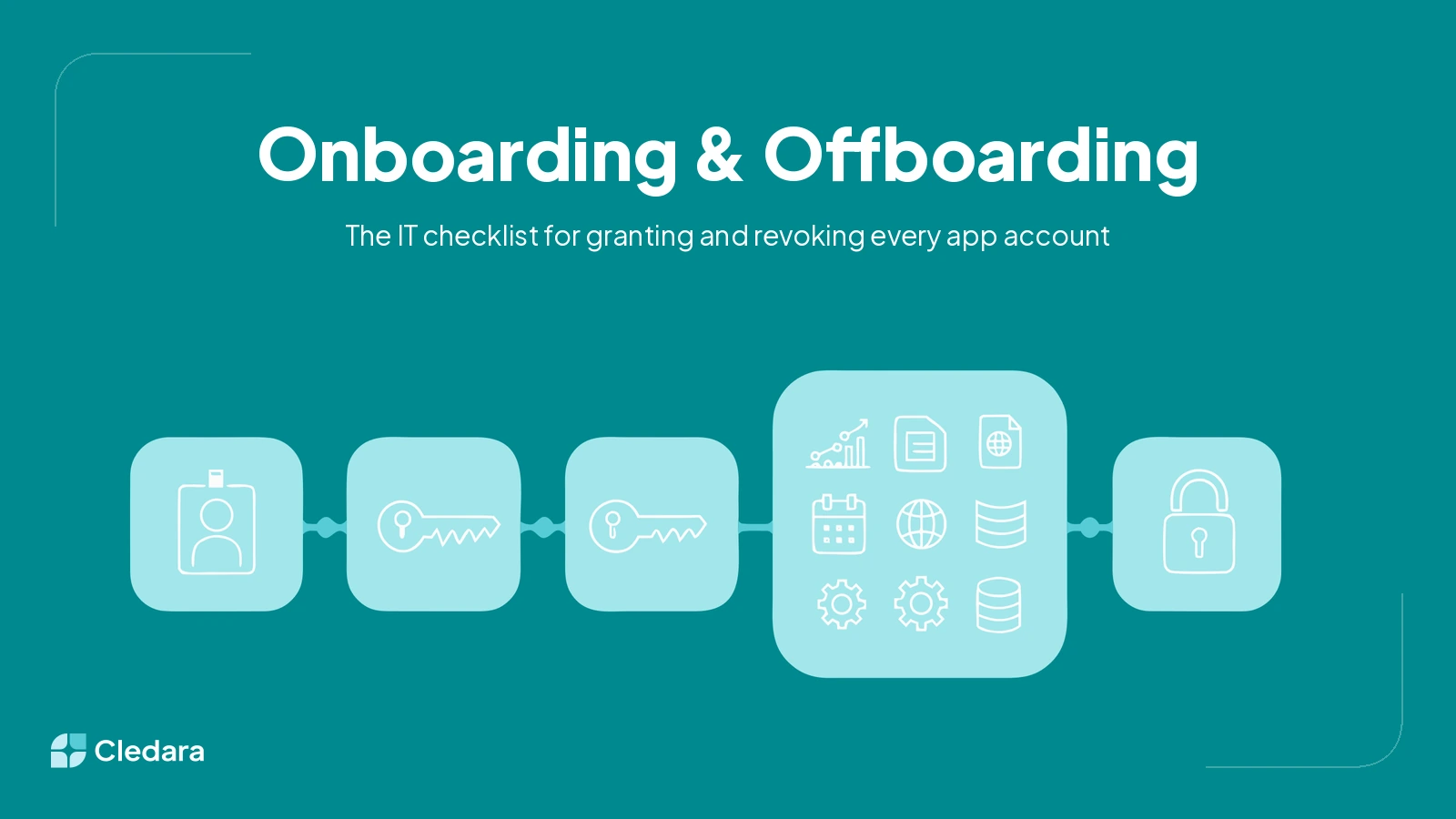
Illustration for SaaS Onboarding & Offboarding Checklist for IT Teams

SaaS Onboarding & Offboarding Checklist for IT Teams

A complete, copy-paste SaaS onboarding and offboarding checklist for IT teams at companies with 30 to 500 employees. Covers pre-day-one provisioning through 30-day post-departure audits, with role-based app matrices for six departments, timeline-based offboarding workflows, and a responsibility matrix. Includes key statistics: 83% of former employees retain access after leaving, 43% of new hires wait over a week for basic tools, and 30 to 50% of SaaS licenses go unused. Learn how to automate these workflows using HRIS integrations and SaaS management platforms like Cledara to eliminate orphaned accounts, reclaim wasted licences, and get new hires productive from day one.
Read more

12 SaaS Management KPIs Every Finance & IT Leader Should Track

Your CEO wants a software spend summary and you cannot produce one without a week of spreadsheet work. This guide solves that problem by defining the 12 SaaS management KPIs every IT and finance leader should track in a centralised dashboard.
Read more
Illustration for SaaS Governance Framework: Building Approval Workflows That Actually Work

SaaS Governance Framework: Building Approval Workflows That Actually Work

A practical guide to building a SaaS governance framework that balances speed with control. This post introduces a four-level maturity model so you can assess where your organization stands today, then walks through building structured approval workflows with a RACI matrix by spend tier. You will find a ready-to-use governance policy template covering everything from request processes to exception handling. The guide also covers security review gates, renewal governance, and common pitfalls that derail even well-intentioned frameworks. With 40% of SaaS spending now influenced by employees outside IT and an average of 9 new apps entering the stack every month, ad-hoc purchasing is a risk most growing companies can no longer afford. Whether you are formalising your first approval process or automating governance at the payment layer, this framework gives you the structure to move from spreadsheet tracking to policy enforcement.
Read more
Illustration for SaaS License Optimization: Stop Paying for Unused Seats

SaaS License Optimization: Stop Paying for Unused Seats

SaaS licence optimisation can recover 25 to 40% of your software licence costs by identifying unused seats, rightsizing tiers, and automating deprovisioning. This guide provides a four-step playbook for finance and IT leaders at companies with 30 to 500 employees. You will learn how to define utilisation thresholds, audit allocation against actual usage, reclaim and redistribute inactive licences, and set up automated workflows that prevent waste from recurring. With 53% of SaaS licences going unused across the industry and Gartner estimating 30% of SaaS spend as toxic, the savings opportunity is substantial. The post includes an interactive ROI calculator to estimate your specific savings potential, plus a breakdown of how Cledara's Engage usage tracking, Negotiation Copilot, virtual cards, and automated offboarding keep your stack continuously optimised.
Read more
Illustration for Cledara vs Productiv: Why Finance Teams Choose Cledara

Cledara vs Productiv: Why Finance Teams Choose Cledara

Productiv and Cledara both started in SaaS management, but they have taken very different paths. Productiv has repositioned around AI Portfolio Governance, focusing on shadow AI detection, AI risk scoring, and policy codification for enterprise IT teams. Its AI Visibility module scans your software portfolio to identify embedded AI features and assess data handling risks. With $73 million in funding and customers like Uber and Okta, Productiv is built for large organisations with complex, multi-department tech stacks. Cledara has stayed focused on the full SaaS management lifecycle: Discover, Buy, Manage, and Cancel. Its standout feature is issuing a unique virtual card per subscription, giving finance and IT teams payment-level control over every tool. Combined with accounting automation (Xero, QuickBooks, NetSuite), a Negotiation Copilot for renewals, and browser-based shadow IT discovery, Cledara is purpose-built for scaling companies with 30 to 500 employees. Both platforms carry a 4.6/5 rating on G2, but they serve fundamentally different needs. This comparison breaks down where they overlap, where they diverge, and which one fits your actual problem.
Read more
Illustration for Shadow IT in 2026: How to Discover and Manage Unsanctioned SaaS

Shadow IT in 2026: How to Discover and Manage Unsanctioned SaaS

Shadow IT has evolved far beyond rogue servers. In 2026, the biggest threat is unsanctioned SaaS and shadow AI: employees signing up for tools like ChatGPT, Claude, and Midjourney without IT or Finance approval. Research shows that 65% of all SaaS applications in a typical organisation are unsanctioned, and 98% of organisations report some form of unapproved AI usage. This guide explains how shadow IT has evolved, why it poses serious security, compliance, and financial risks, and how to discover it using four proven methods: payment data analysis, SSO and browser extension monitoring, network traffic analysis, and employee surveys. You will also learn how to manage shadow IT without becoming the department that blocks everything, and how Cledara's payment-based discovery, Engage browser extension, and AI Dashboard give finance and IT teams complete visibility into every tool employees use and pay for.
Read more
Illustration for Cledara vs Torii: Which SaaS Management Platform Is Right for You?

Cledara vs Torii: Which SaaS Management Platform Is Right for You?

Cledara and Torii both help companies manage their SaaS stack, but they approach the problem from different angles. Torii is an IT-first platform built around shadow IT discovery, identity governance, and app lifecycle automation. Cledara is a finance-first platform that combines SaaS visibility with virtual card payments, accounting automation, and built-in procurement workflows. In this comparison, we break down how each platform handles SaaS discovery, spend management, renewal tracking, compliance, and procurement. Torii rates 4.5/5 on G2 (303 reviews) and excels at deep IT governance. Cledara rates 4.6/5 on G2 (248 reviews) and is the only SaaS management platform that controls the payment layer with per-subscription virtual cards. If your priority is IT security and identity governance at enterprise scale, Torii is a strong choice. If you need unified spend control, accounting automation, and procurement in one platform for a scaling company, Cledara is the better fit.
Read more

SaaS Insights

Monday.com vs Asana: The Project Management Spend Data (2026)

Monday.com is holding steady at rank #51 while Asana has dropped to #93. Learn what this reveals about platform preference, use cases, and what it means for your choice of project management tool.
Read more

The 15 Fastest-Growing SaaS Tools Right Now

Lovable grew 2,089%. Claude grew 1,728%. Here are the 15 fastest-growing SaaS tools, ranked by real transaction growth.
Read more

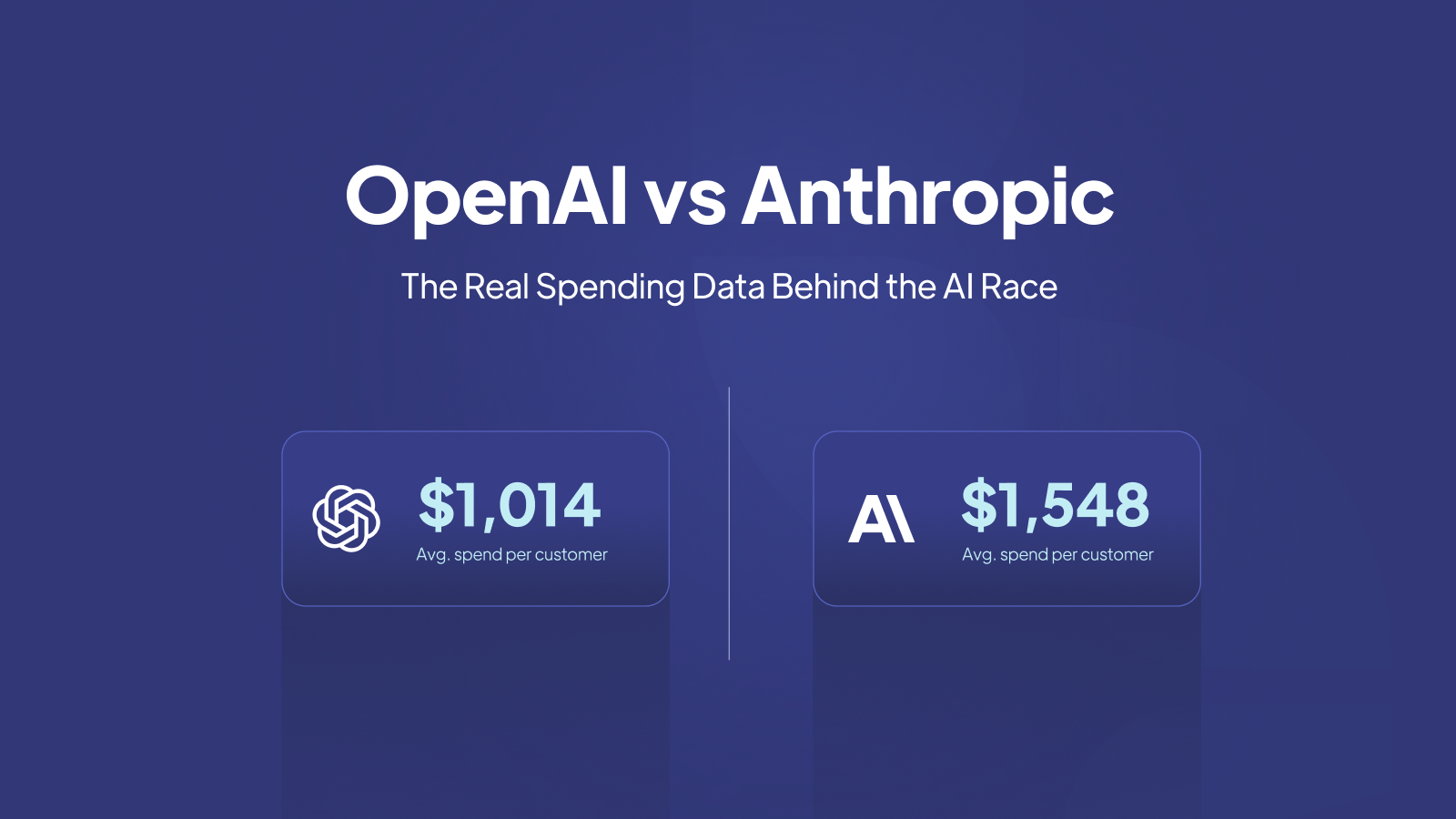
OpenAI vs Anthropic: The Real Spending Data Behind the AI Race

Cledara's transaction data reveals the moment Anthropic overtook OpenAI in enterprise spend, and what the Pentagon controversy means for how companies choose AI providers.
Read more

The True Cost of Shadow IT

Shadow IT accounts for 35-40% of total SaaS spend for most companies. Learn why it is rampant and how to combat it.
Read more

The Most Expensive SaaS Tools in 2026: Real Spending Data

See real spending data from 5000+ organizations showing which SaaS tools cost the most. Salesforce leads at $240K+, but the full cost of ownership is often much higher.
Read more

Datadog vs New Relic vs Grafana: What Companies Actually Spend on Observability

Datadog costs $30,809/year on average. Here is how observability spending compares across Datadog, New Relic, and Grafana in 2026.
Read more

What Engineering Teams Actually Spend On: The Data Behind the Tools

From Datadog at $30,809/year to Cursor at $5,857, here is what engineering teams actually spend on their tools.
Read more

How AI Coding Tools Are Reshaping Engineering Spend

Engineering teams are spending 3x more on AI coding tools than they were 14 months ago. The data behind the developer tooling revolution.
Read more

The 50 Most Popular SaaS Tools in 2026, Ranked by Real Purchases

The definitive ranking of the 50 most popular SaaS tools in 2026, based on real transaction data, not surveys.
Read more

SaaS Management: Why You Need It, When to Implement It, and the Disasters That Happen Without It

Learn why SaaS management matters, the triggers that force adoption, and real disaster stories—plus a practical 30/60/90-day rollout plan.
Read more

The effects of funding on software spend

We were curious what really happens to software spend after a company raises funding, so we dug into the data to find out.
Read more

DocuSign vs. HelloSign (now Dropbox Sign): Which Is The Better eSignature Tool?

Choosing between DocuSign and Dropbox Sign requires understanding their distinct features, pricing models, and integration capabilities to determine which eSignature solution best aligns with your business needs.
Read more

8 Top Tools for Small Business Expense Tracking

Every dollar counts. Learn how the right expense tracking tools can help you cut waste, improve budgeting, and stay financially smart.
Read more

5 Best SaaS Management Tools to Keep Track of Your Apps

Discover the top 12 SaaS management tools to help you monitor your apps, optimize your tech stack, and slash software spend.
Read more

SaaS Renewal Management: A Complete Guide to Tracking your Tech Stack

In the maze of modern business technology, SaaS renewal management emerges as the strategic compass that helps companies navigate the complex landscape of software subscriptions.
Read more

AI Adoption: Statistics, Benefits, and Challenges for 2025

Discover how businesses are navigating AI adoption challenges and uncovering ROI opportunities, with insights and trends from Cledara’s 'AI in 2025: The Data Behind the Hype' report.
Read more

The Top 85 SaaS Tools of 2024

From communication powerhouses like Slack to AI innovators like ChatGPT, this comprehensive guide analyzes the 85 most popular SaaS tools of 2024, backed by data from over 1.1 million software purchases across 4,000 vendors.
Read more

Vertical SaaS vs Horizontal SaaS: The Similarities and Differences

Managing a diverse SaaS stack can be challenging, but understanding the key differences between vertical and horizontal SaaS is essential for optimizing your company's software strategy.
Read more

The 5 Most Popular SaaS Monitoring Tools for 2025

In 2025, managing a growing SaaS ecosystem requires powerful monitoring tools to optimize performance, enhance security, and ensure efficient software usage across organizations.
Read more

The 2025 Software Spend Report

Find out how much tech companies are spending on software, trends, spend by size, region, and more with insights from 600+ businesses.
Read more

Report: AI in 2025 - The Data Behind the Hype

This report aims cuts through the noise and provide a clear picture of AI's current state in the business world. We explore adoption rates, spending patterns, and the value businesses are (or aren't) seeing from their investments. Buckle up – the data might surprise you.
Read more

The Top 10 SaaS Accounting Tools of 2024 (so Far)

Navigating the crowded landscape of SaaS accounting tools can be overwhelming, but this guide to the top 10 options of 2024 will help you find the perfect fit for your business.
Read more

Introducing our Buyer’s Guides: A Smarter Way to Buy Software

Cledara’s buyer’s guides offer for free all the information needed to make an informed decision when it comes to purchasing software.
Read more

The Top SaaS Tools for 2023 based on data from 1,000+ companies

According to Cledara’s world-leading data on software purchasing, these are the 20 top SaaS tools for 2023—by spend, by usage and by growth.
Read more

The Software Stack Guide for Startups

All you need to know to set your software stack for scale. Including insights from 400,000+ software purchases and renewals.
Read more

Market Insights From our Worlds Leading SaaS Dataset

Leveraging our world-leading dataset on SaaS purchasing, usage, renewals, and churn we look at the health of the SaaS market, the purchasing differences between small and large organizations, new annual purchasing trends, and churn insights.
Read more

Ramp vs Brex: A Comprehensive Analysis

Which is best for your business, Ramp vs Brex? Our ultimate rundown can help you decide.
Read more

SaaS Market Defies Turmoil

Cledara can reveal that overall spending on software by companies has increased by 25% over the past 12 months. Uncover more spending patterns in the software market, the evolving role of finance teams, and the top emerging software applications.
Read more

What is SaaS?

Software as a Service (SaaS) is a cloud computing model that allows users to access applications over the Internet. But there's far more to it - find out here.
Read more

The Great Flattening

Jason Lemkin, founder and CEO of Saastr, discusses the shifts and challenges in the SaaS market at Saastr Europa 2023. He reveals how the market is experiencing a 'flattening' with a slowdown in growth and tightening fundraising landscape.
Read more
Thank you! Your submission has been received!
Oops! Something went wrong while submitting the form.
Tag
Showing 0 of 100

How Cledara Uses Cledara: Key Lessons for SaaS Operations Excellence

Discover how Cledara uses its own platform, featuring insights from Nikesh, for SaaS operations excellence.
Read more

Trends from G2’s Summer 2025 SaaS Spend Management Grid

Key insights from G2 Summer 2025 reveal Cledara’s finance-first edge in visibility, ROI and unified control over soaring SaaS costs
Read more

The effects of funding on software spend

We were curious what really happens to software spend after a company raises funding, so we dug into the data to find out.
Read more

The 12 Best FP&A Tools for 2025

Interested in learning how to enhance your FP&A strategy with the right software tools? This guide is here to help.
Read more

DocuSign vs. HelloSign (now Dropbox Sign): Which Is The Better eSignature Tool?

Choosing between DocuSign and Dropbox Sign requires understanding their distinct features, pricing models, and integration capabilities to determine which eSignature solution best aligns with your business needs.
Read more

How To Calculate Revenue Growth

Revenue growth is the cornerstone of business success, serving as a crucial indicator for investors and a key metric for measuring sustainable performance over time.
Read more

What is Application Rationalization and How to Implement It

Application rationalization helps you decide which apps to keep and which to cut for a streamlined and cost-effective tech stack. Here's how to do it.
Read more

8 Top Tools for Small Business Expense Tracking

Every dollar counts. Learn how the right expense tracking tools can help you cut waste, improve budgeting, and stay financially smart.
Read more

Project Europe: Nurturing Europe's Next Generation of Tech Innovators

Project Europe unites over 150 of Europe's top founders, including Cledara's leadership, to invest €200,000 in promising technical entrepreneurs under 25, aiming to spark the next wave of European innovation.
Read more
No results found.
There are no results with this criteria. Try changing your search.

Subscribe to our newsletter

Join our newsletter where finance leaders learn how to simplify SaaS, AI, and software management with expert tips, inspiring stories, and a touch of wit.

Sign up